Finance
Let's Talk Finance (Part 2): The Costly Payment Mistakes Businesses Make And How to Avoid Them

Imagine this.
It’s a busy Tuesday afternoon. Orders are coming in, your team is responding to customers, and everything feels like it’s moving in the right direction. You check your notifications and see multiple “Order Confirmed” messages. Great day, right? But later that evening, when you sit down to review your transactions, the numbers don’t add up.
Some payments failed.
Some are still “pending.”
One customer says they were debited but didn’t get confirmation.
Now you’re chasing receipts instead of planning tomorrow’s growth.
Mistake #1: Making Payment an Afterthought
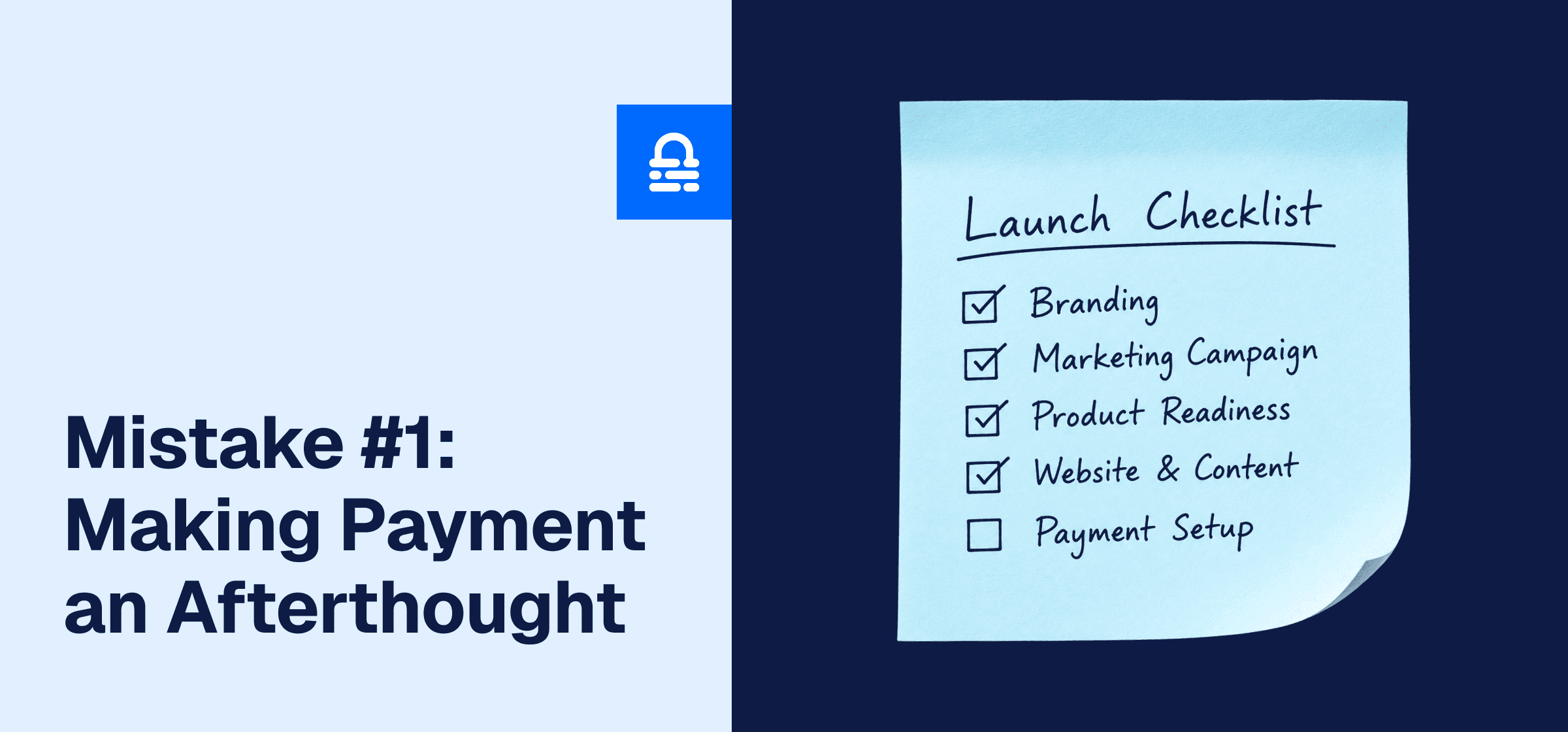
Many businesses spend time perfecting their product, designing beautiful marketing campaigns, and attracting customers… only to neglect what happens at the final step: payment. But the payment moment is where trust is either confirmed or broken.
If the process is slow, confusing, or unreliable, customers don’t see it as a “technical issue.” They see it as your business being unprepared.
Avoid it by: Treating payments as part of your customer experience, not just backend operations. A reliable infrastructure ensures the final step is as smooth as the first interaction.
Mistake #2: Offering Limited Ways to Pay
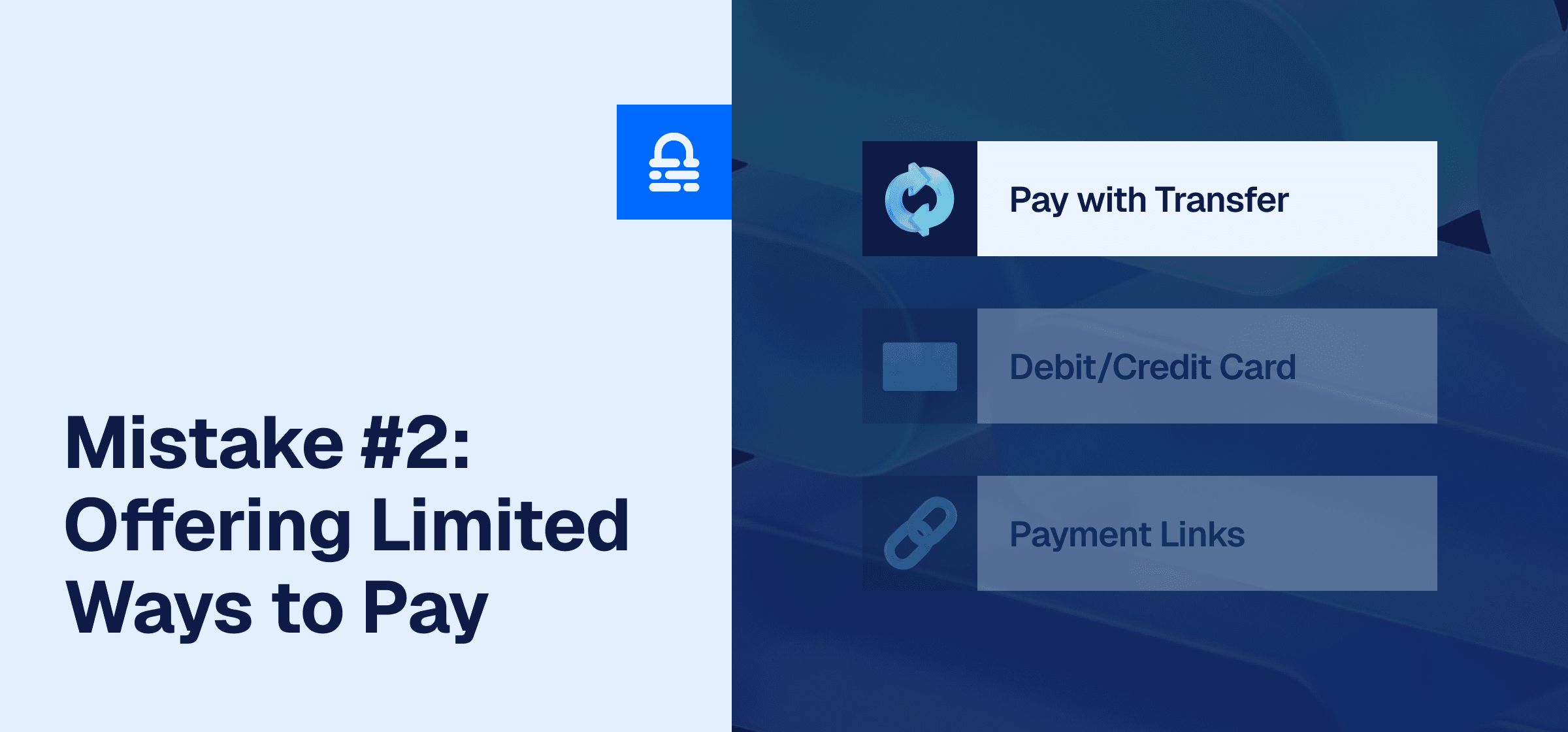
Customers today expect flexibility. Some prefer cards. Others want transfers. Some want fast digital checkout without extra steps. When their preferred option isn’t available or doesn’t work, they often abandon the purchase entirely. You may never even know you lost that sale.
Avoid it by: Providing a payment system that accommodates how customers already choose to pay, instead of forcing them into one rigid method.
Mistake #3: Lack of Real-Time Visibility
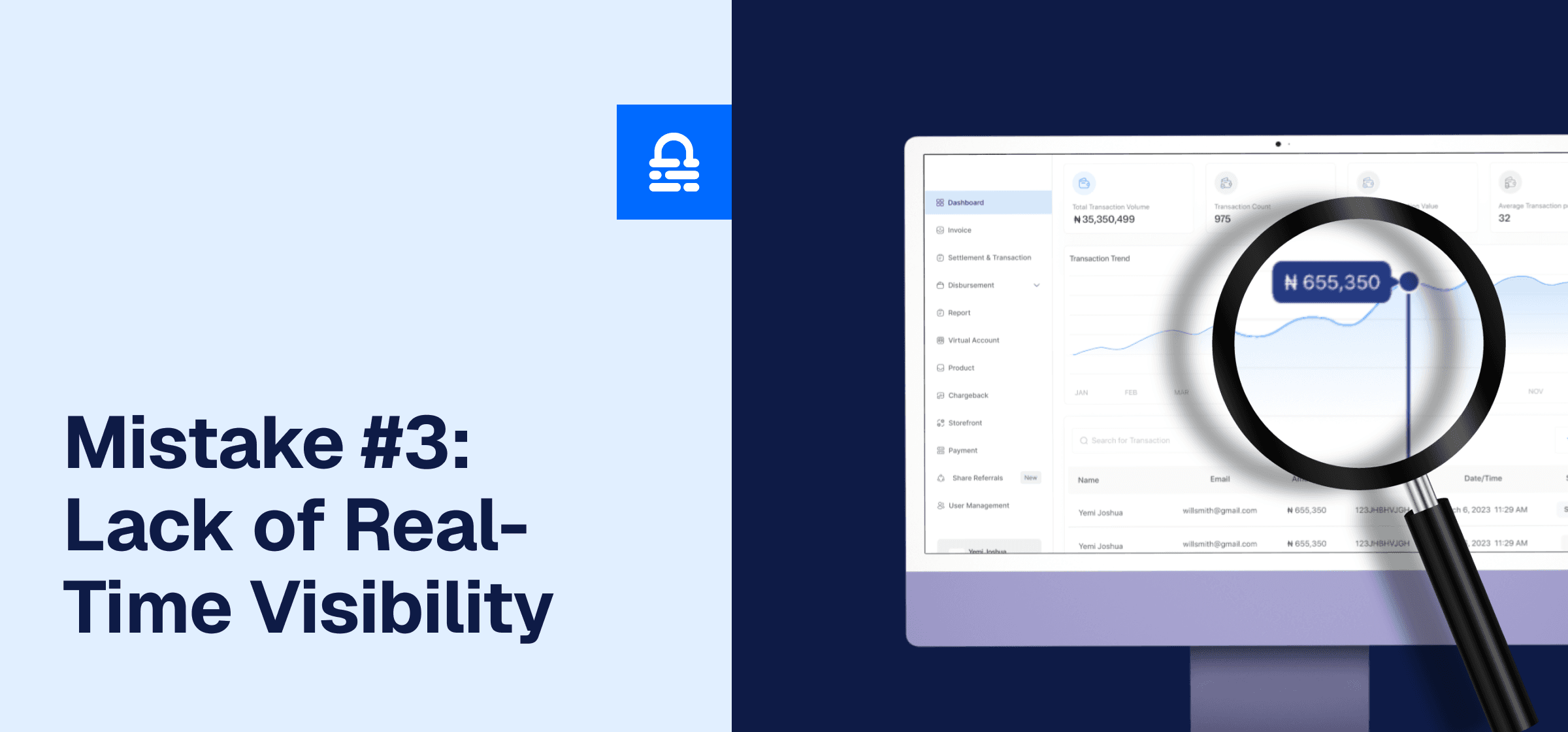
One of the biggest frustrations for business owners is not knowing exactly where their money stands at any given moment.
You’ve made sales, but:
You’re unsure what has settled.
Reconciliation takes hours.
Reports must be manually verified.
This slows decision-making and affects everything from inventory planning to expansion.
Avoid it by: Using a payment gateway like SecurePay that provides clear, real-time transaction tracking so you always know what’s happening financially.
Mistake #4: Accepting Failed Transactions as “Normal”
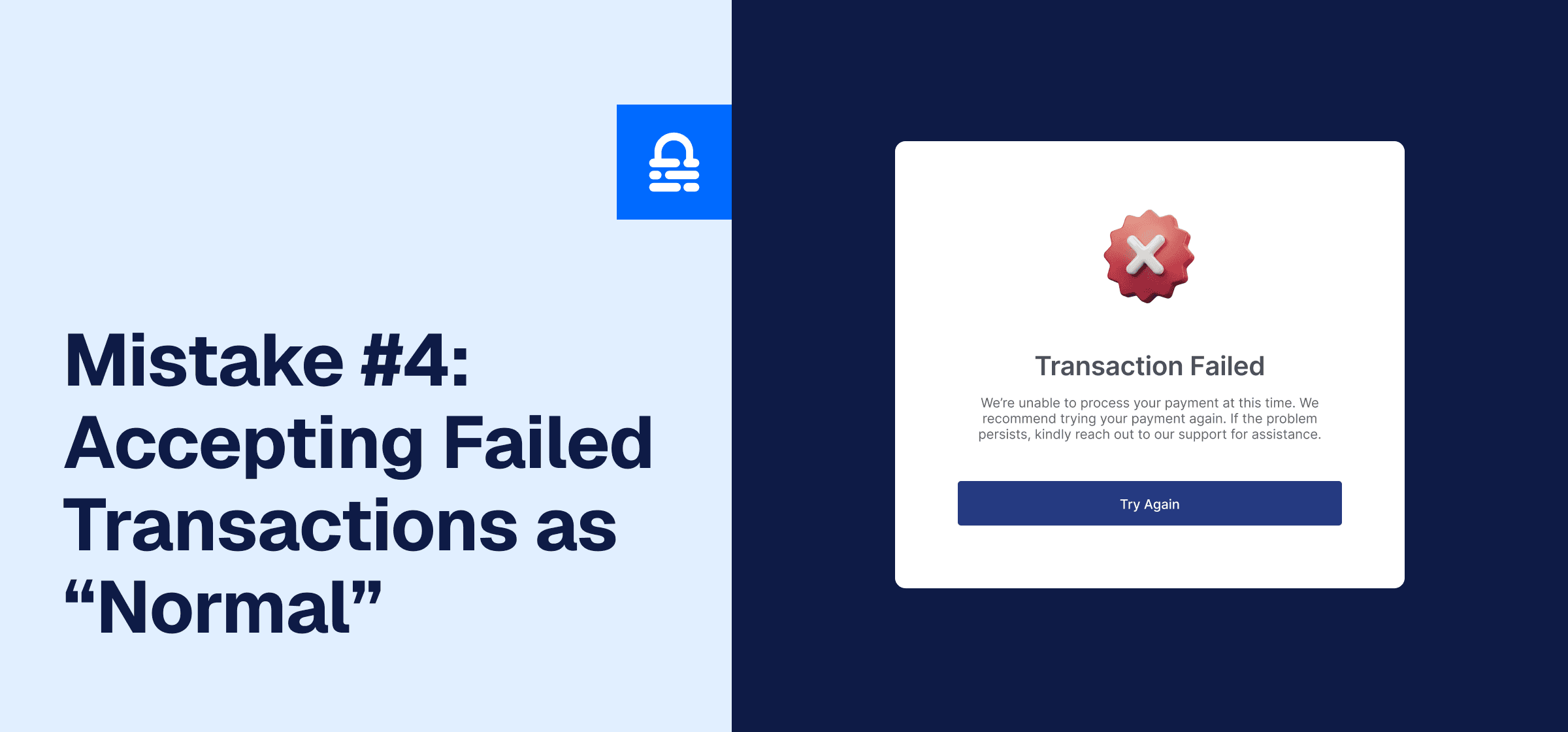
Some businesses assume failed payments are just part of doing business. They are not.
Each failed transaction represents a customer who was ready to pay but couldn’t. That moment of friction often sends them straight to a competitor whose process works better.
Avoid it by: Prioritising reliability. The fewer interruptions between checkout and confirmation, the more revenue you actually capture.
Mistake #5: Spending Too Much Time Managing Payments Manually

If your team is still:
Matching transfers to orders,
Investigating discrepancies,
Confirming payments one by one,
then your payment process is consuming time that should be spent on strategy, marketing, or customer engagement.
Avoid it by: Automating payment processing and reconciliation so your operations scale without increasing administrative stress.
Mistake #6: Ignoring the Strategic Value of Payment Data
Payments don’t just bring in revenue, they reveal behaviour.
They can show you:
Peak buying periods,
Customer preferences,
Successful channels,
Patterns that guide smarter decisions.
Businesses that ignore this insight miss opportunities to optimise growth.
Avoid it by: Viewing payment data as business intelligence, not just transaction records.
The Difference Between Getting Paid and Getting Paid Well
There’s a big difference between simply receiving money and having a payment system that actively supports your business growth.
A strong payment process:
Builds customer confidence,
Improves operational efficiency,
Reduces lost revenue,
Gives you clarity to plan ahead.
A weak one does the opposite, quietly slowing everything down.
As we continue the Let’s Talk Finance series, we’ll move beyond avoiding mistakes and explore how smarter payment systems can become a real growth engine helping businesses scale faster, serve customers better, and operate with confidence in an increasingly digital world.
Read Time
8
Share with friends: