Business
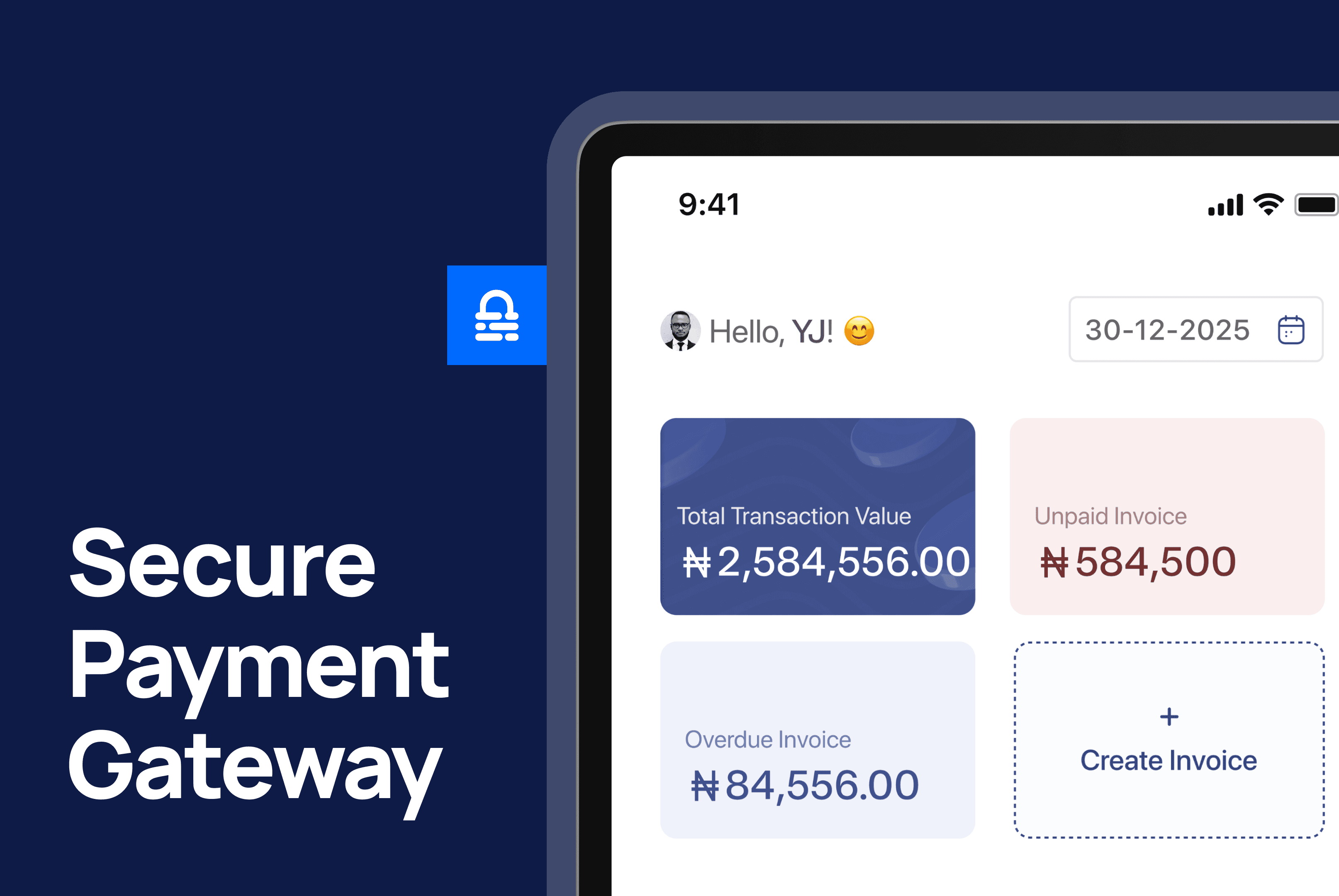
She Lost ₦847,000 in One Weekend. Here Is Why Every Nigerian Business Owner Needs a Secure Payment Gateway in Nigeria Right Now.
She Lost ₦847,000 in One Weekend. Here Is Why Every Nigerian Business Owner Needs a Secure Payment Gateway in Nigeria Right Now.
Amaka runs a skincare brand out of Lagos.
Good products. Strong Instagram presence. A website her cousin helped her build. On the last weekend of November, she ran her biggest promo ever. She spent ₦180,000 on ads. Orders started coming in. Her phone would not stop buzzing.
Then a different kind of message started arriving.
“Your payment page is not secure.”
“My bank blocked the transaction.”
“Is this website real? I don’t want to enter my card details here.”
By Sunday evening, Amaka had 214 abandoned carts. At an average order value of ₦3,960, that was over ₦847,000 in sales that found her store, picked up her products, and walked straight back out the door.
Not because her products were bad. Not because her prices were wrong. Because her checkout page did not have a reliable payment gateway in Nigeria that made her customers feel safe.
This Is Not Just Amaka’s Story. It Might Be Yours.
If you run a business in Nigeria and you accept payments online, you have either lived this story or you are one promo weekend away from it.
The Central Bank of Nigeria confirmed that digital payment transactions grew by 581% in value over the past five years. Nigeria now leads all of Africa in fintech usage, with 74% of smartphone users actively relying on mobile finance apps. The money is moving. Every day. At record volume.
But here is the uncomfortable truth: 40% of online users in Nigeria say they feel anxious about potential fraud when making digital payments. Four out of every ten customers who land on your checkout page are already holding their card and asking themselves one quiet question:
"Can I actually trust this?"
Your payment gateway in Nigeria answers that question before you ever get the chance to.
What Your Customers See in Four Seconds
When a customer lands on your checkout page, they scan it in about four seconds flat for signals that tell them whether this is safe. A padlock icon in the browser bar. A familiar payment interface. A page that loads cleanly on their phone. A process that feels like a proper business, not an experiment.
If those signals are missing, the verdict is already in. They close the tab. They go somewhere that offers secure online payments in Nigeria. They spend their money there.
SSL encryption, PCI DSS compliance, real-time fraud detection. These are not technical features for developers to debate in Slack. They are the trust signals that convert a browsing customer into a paying one. And beyond the experience of your customers, they protect you too.
Some customers do not abandon. They pay, and weeks later you get a chargeback notification. The transaction is disputed. While the investigation runs, your money is frozen. For an SME, one fraudulent transaction does not just cost you that sale. It costs you the product you already shipped, the time spent managing the dispute, and in some cases, your merchant standing on the platform. A payment gateway in Nigeria with real-time fraud detection is the line standing between your revenue and someone taking it.
What to Look for in a Payment Gateway in Nigeria
Not every payment gateway in Nigeria is built the same way. The most expensive mistake a Nigerian SME can make is choosing the wrong one, or worse, delaying the decision entirely while customers quietly leave.
Before you sign up for any online payment for business in Nigeria, ask these three questions:
Does it offer genuinely secure online payments in Nigeria? At minimum: SSL encryption, PCI DSS compliance, and real-time fraud monitoring. If a platform cannot confirm all three, move on.
Does it support how your customers actually pay? Web payments now account for over 52% of all recorded transactions in Nigeria, and mobile payments are rising fast. Cards, bank transfer, USSD. Your gateway needs to handle all of them.
How fast does it settle? Cash flow keeps an SME alive. Any payment gateway holding your money for three to five days is working against you. Look for same-day or next-day settlement.
Why SecurePay Is the Payment Gateway Nigeria SMEs Have Been Waiting For
SecurePay was built for businesses like yours, operating in the exact economy you are in, facing the exact customer anxieties you deal with every day. Here is what you get when you accept payments online in Nigeria through SecurePay:
Advanced SSL Encryption locks down every transaction the moment your customer enters their details. The padlock icon customers look for before they type in their card number? That is SSL. That is SecurePay working before you even see the sale.
Full PCI DSS Compliance means SecurePay has passed the highest international security audits for handling payment data. Your business inherits that credibility the moment you integrate. When customers ask whether your online payment for business is safe, the PCI badge answers for you.
Real-Time Fraud Detection means suspicious patterns are flagged and blocked before they turn into a chargeback. Your revenue stays protected even while you sleep.
Fast Processing and Scalable Infrastructure means transactions clear quickly, the checkout experience is smooth, and whether you are processing 50 transactions this month or 50,000 next year, your payment gateway in Nigeria keeps pace without blinking
The Numbers Nigerian Business Owners Need to See in 2026
The value of digital transactions in Nigeria is projected to surpass $50 billion in 2026, growing at a compound annual rate of over 20%. Real-time transactions are forecast to reach 8.8 billion this year alone, unlocking an estimated US$6 billion in additional GDP for the Nigerian economy.
And the customers driving those numbers? Around 60% of Nigerians are already engaging with digital payment platforms, with 75% of 18 to 34-year-olds using mobile wallets as their primary way to pay. These are your customers. They have money. They are spending digitally.
The only question is which businesses are set up to accept payments online in Nigeria in a way that earns their trust.
What Happened When Amaka Switched
Three months after that painful promo weekend, Amaka integrated SecurePay as her payment gateway in Nigeria. The setup took one afternoon. Her next campaign felt completely different.
Customers landed on the checkout page. They saw the padlock. They saw a clean, fast interface. Cards, bank transfer, USSD. All the ways Nigerians like to pay, in one place. Most of them completed the purchase.
She did not get 214 abandoned cart messages.
She got orders.
When a friend asked what changed, she said: “I stopped making customers work to trust me. I gave them a reason to stay.”
Your Business Deserves a Payment Gateway That Works as Hard as You Do
You have built the product. You have done the work. You have run the ads. Do not let the last three seconds of the customer journey undo all of that.
SecurePay gives you the secure online payments in Nigeria infrastructure you need: SSL encryption, PCI DSS compliance, real-time fraud detection, fast processing, and support that actually shows up.
Setup is fast. Your first transaction through a payment gateway in Nigeria that actually protects your revenue can happen today.
Stop losing sales at the checkout page.
Sign up here www.getsecurepay.ai
Read Time
4 Minutes
Share with friends: